AI Applications

Browse every AllForTheAI AI Applications article in chronological order, including guides to healthcare, finance, education, business, security, public policy, science, and more.

New to the topic? Start with the Real-World Applications of AI guide → for a structured introduction to capabilities, practical uses, limitations, and responsible deployment.

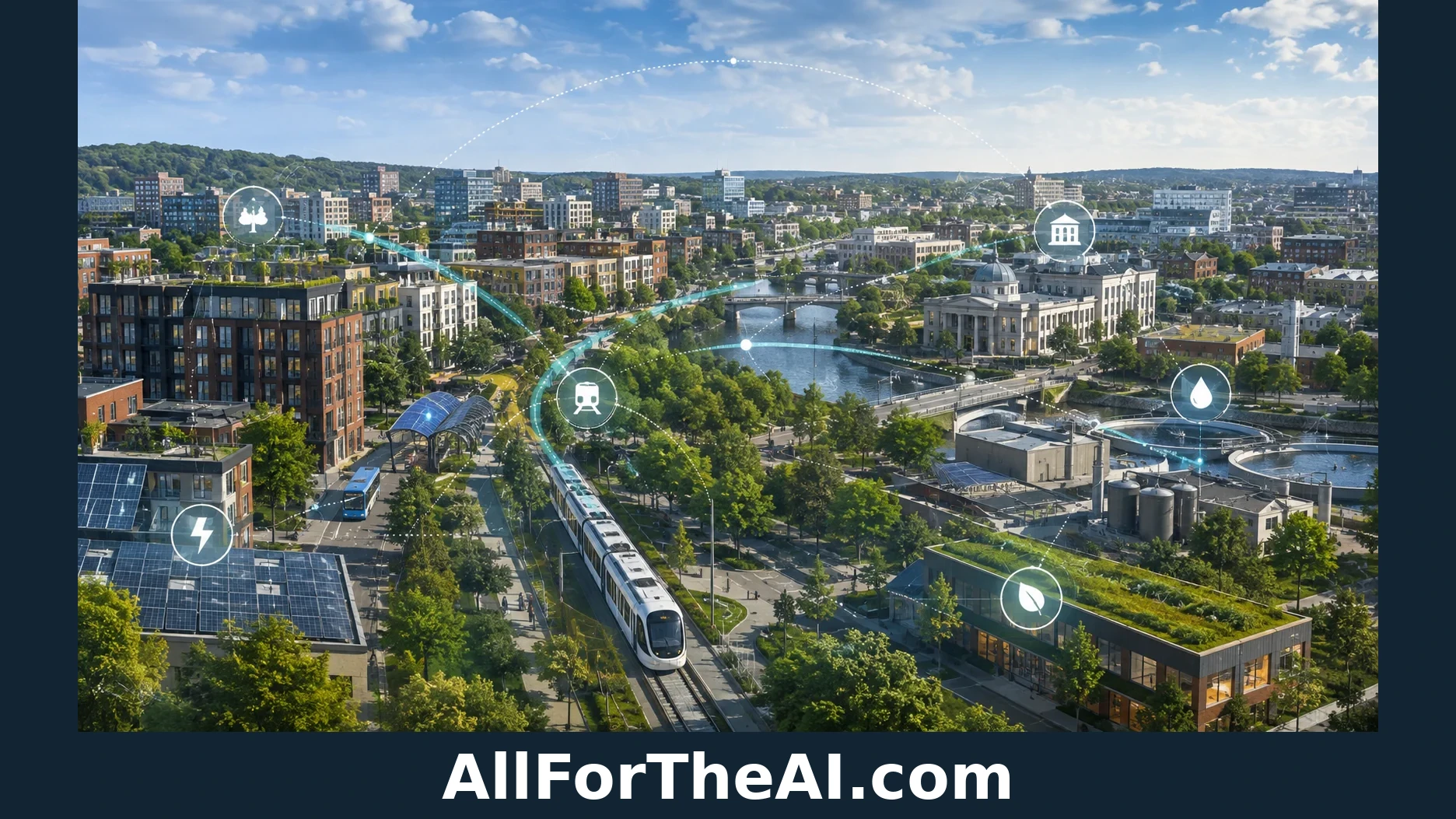
AI in smart cities: connected public transit, energy, water, civic buildings and green spaces.

AI in Smart Cities: Uses, Benefits, Risks and Examples

Published April 11, 2024 AI can help cities predict demand, analyze images, optimize operations, and support decisions—but it is only one part of a smart-city system. This guide explains how AI relates to sensors, connectivity, automation, digital twins, and urban planning; where it is used; what evidence can and cannot show; and what responsible deployment

AI in Smart Cities: Uses, Benefits, Risks and Examples Read More »

Three workers review a monitor beside a guarded industrial robot.

AI in Manufacturing: Uses, Examples, Benefits and Risks

Published April 11, 2024 Artificial intelligence can help manufacturers inspect products, monitor equipment, forecast demand, support operators, and explore production decisions. But AI is not the same as factory automation, and it does not guarantee lower costs, fewer defects, safer work, or more sustainable operations. This beginner-friendly guide explains where AI fits in manufacturing, what

AI in Manufacturing: Uses, Examples, Benefits and Risks Read More »

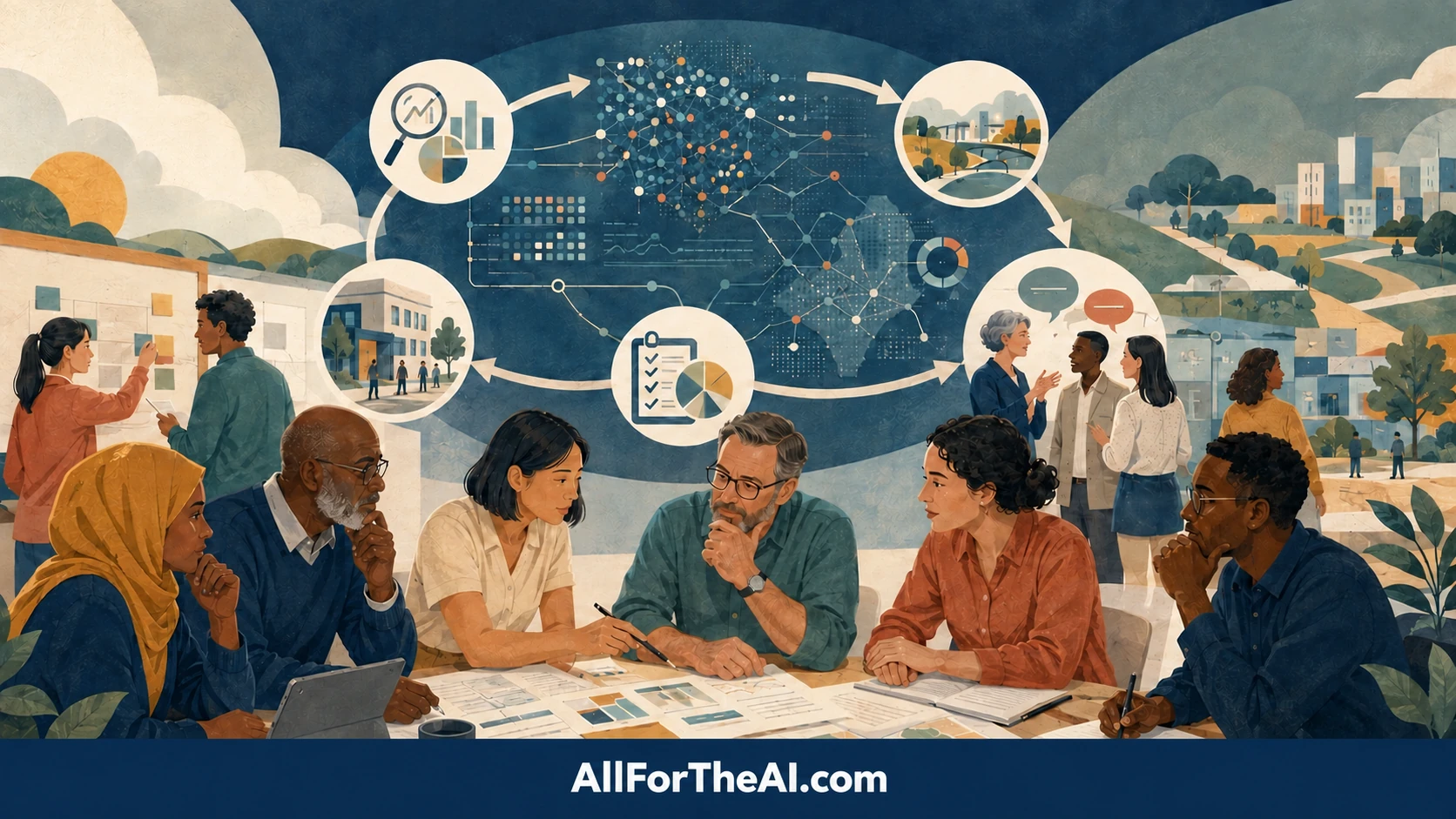
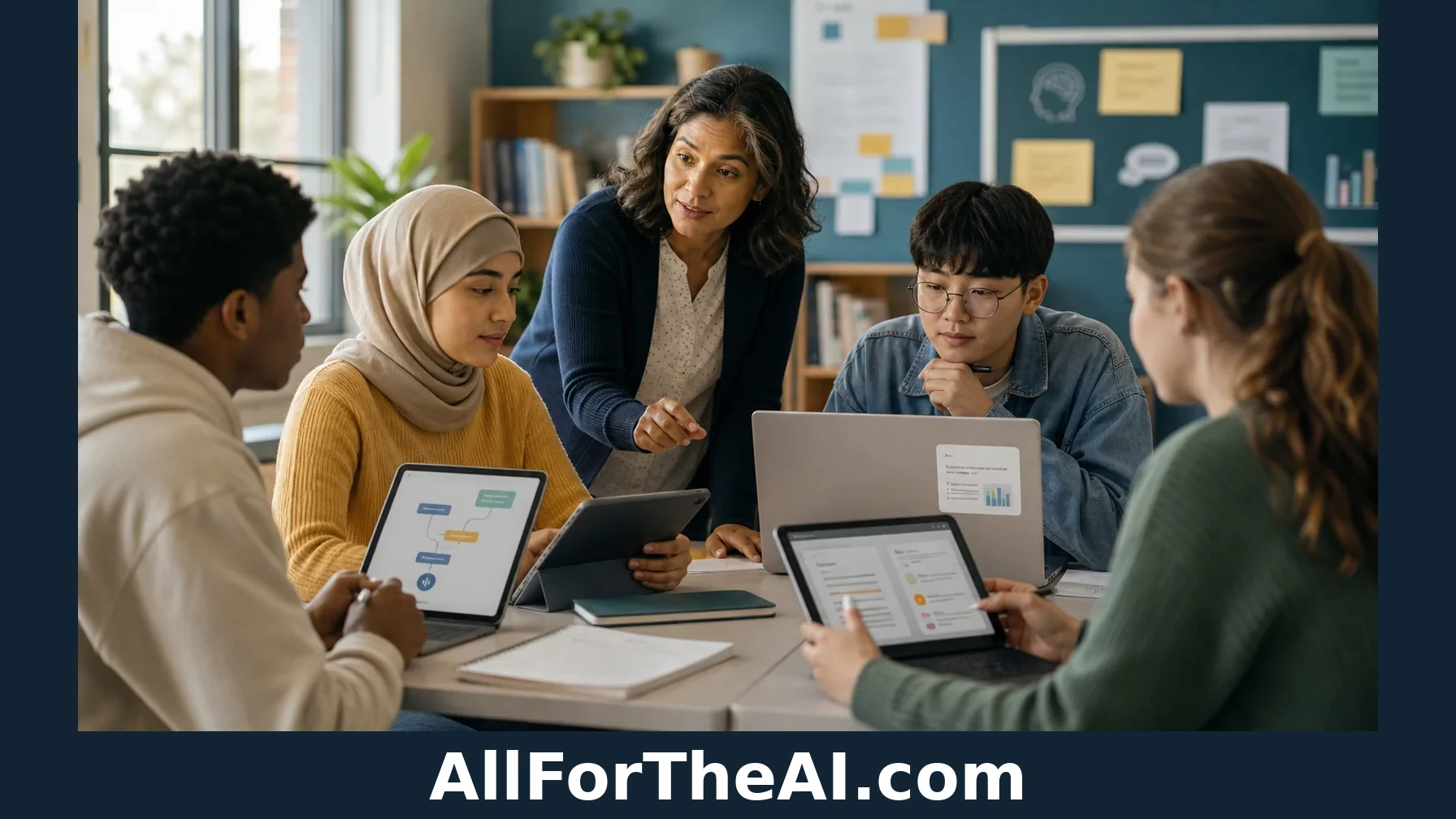
A diverse group reviews evidence and public-policy proposals with civic feedback illustrated behind them.

AI in Public Policy: Uses, Risks and Responsible Policymaking

Published April 11, 2024 Substantively reviewed and updated September 2026. AI in public policy means using artificial intelligence to support work across the public-policy cycle—from understanding a problem and comparing options to consultation, implementation, monitoring, and evaluation. AI can help people find patterns, summarize evidence, forecast possible outcomes, and review large volumes of information. It

AI in Public Policy: Uses, Risks and Responsible Policymaking Read More »

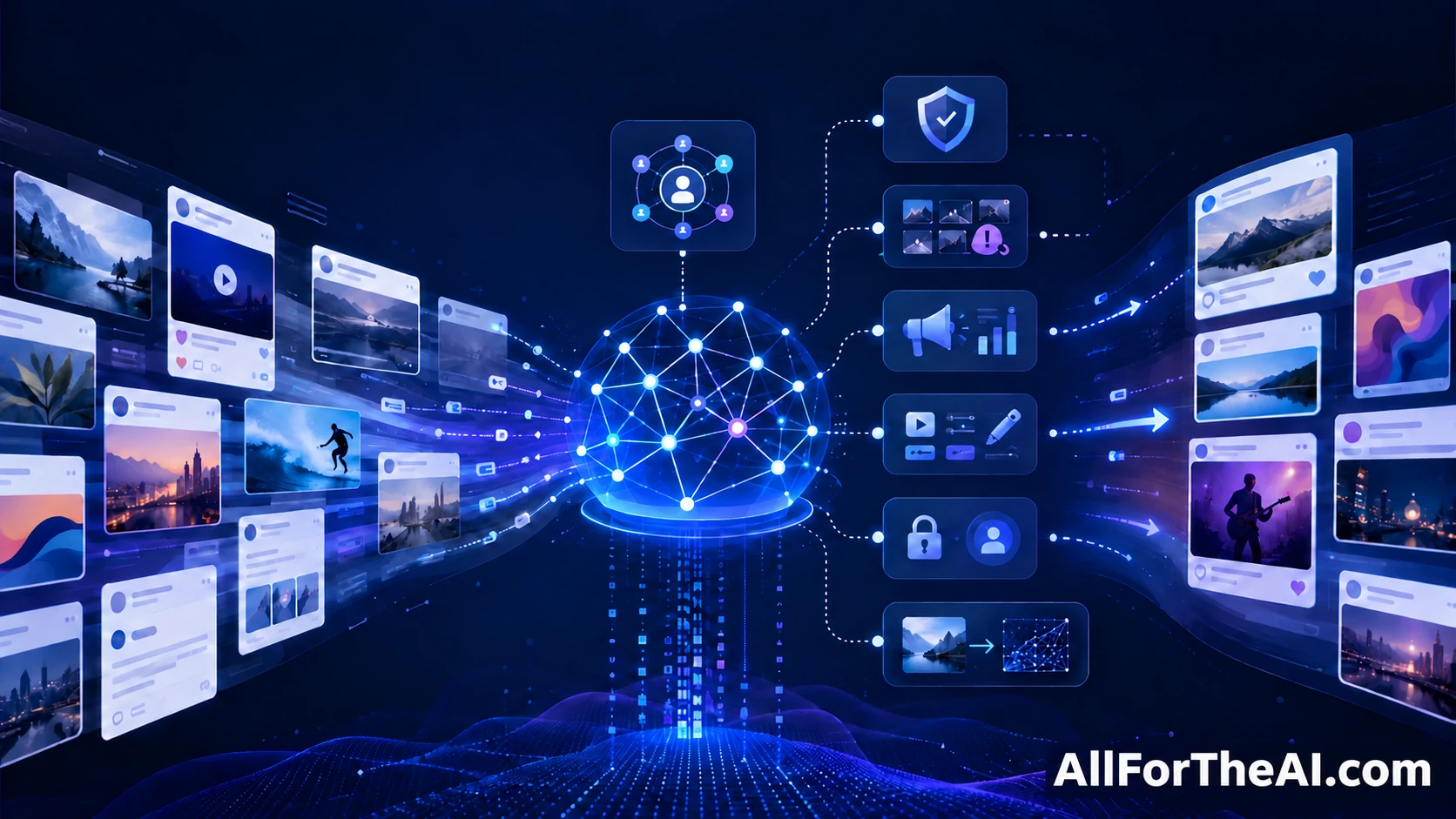
Illustration of AI supporting social media recommendations and moderation.

AI in Social Media: Recommendations, Moderation, Content & Risks

Published April 11, 2024 AI shapes much of what people see and experience on social media. It helps platforms rank feeds, recommend accounts and videos, analyze text and images, detect possible policy violations, personalize advertising, assist creators, and identify synthetic content. This guide explains how those systems work, what they can and cannot do, and

AI in Social Media: Recommendations, Moderation, Content & Risks Read More »

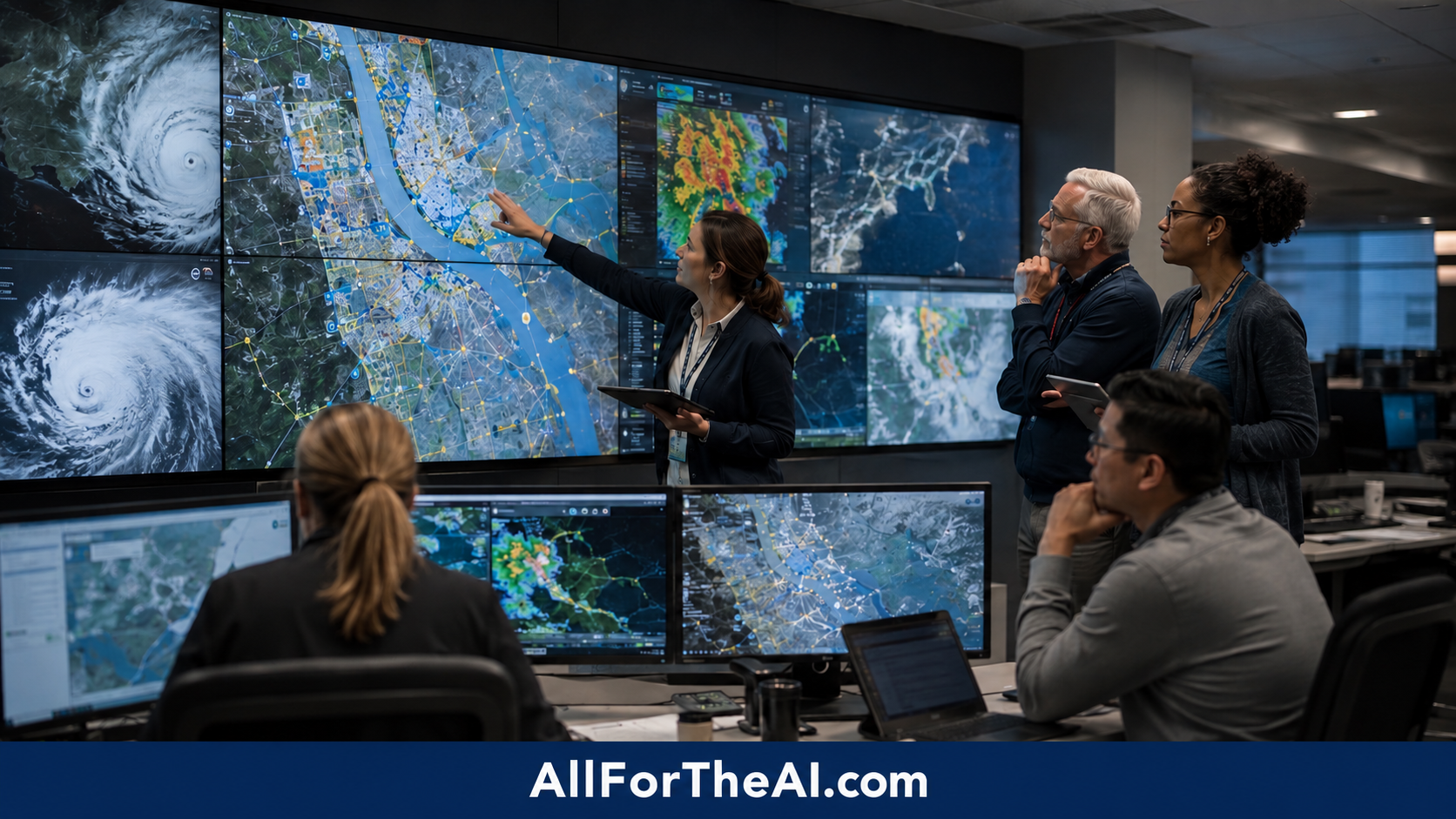
Emergency coordinators reviewing maps and weather information.

AI in Disaster Management: Uses, Benefits, Risks and Examples

Published April 11, 2024 Published April 11, 2024 · Updated September 2026 AI can help people understand risk, interpret fast-changing conditions and review damage after a disaster. It cannot remove uncertainty or replace emergency managers, scientists, local authorities or affected communities. This guide explains where artificial intelligence fits across disaster risk reduction, preparedness, response, recovery

AI in Disaster Management: Uses, Benefits, Risks and Examples Read More »

Illustration of a human cybersecurity analyst overseeing an AI network receiving signals from servers, messages and connected devices.

AI in Cybersecurity: Uses, Risks and the Role of Human Analysts

Published April 11, 2024 Originally published: April 11, 2024 · Last reviewed and updated: September 5, 2026 AI in cybersecurity already supports many defensive workflows. Security teams use machine learning to flag unusual behavior, classify suspicious files and messages, prioritize alerts, and help analysts investigate incidents. But AI is not an autonomous shield. It can

AI in Cybersecurity: Uses, Risks and the Role of Human Analysts Read More »

Scroll to Top