
Machine perception is one of the most important capabilities behind modern artificial intelligence. It allows AI systems to sense, interpret, and understand the world using data from vision, sound, and physical sensors.
In this beginner-friendly guide, you’ll learn what machine perception is, how it works across different senses, the technologies that power it, real-world use cases, challenges, and what the future of machine perception looks like.
(Quick Summary)
- Machine perception enables AI systems to interpret sensory data
- It includes vision, audio, speech, and physical sensor data
- Core technologies include computer vision, signal processing, and neural networks
- Machine perception powers self-driving cars, medical imaging, and smart devices
- Ethical use and data privacy are critical considerations
What Is Machine Perception?
Machine perception is the ability of an artificial intelligence system to interpret sensory input from the environment and transform it into meaningful information.
Unlike traditional software that relies on fixed rules, machine perception systems learn from data. They analyze images, sounds, signals, and sensor readings to recognize patterns, identify objects, and make decisions.
In simple terms, machine perception allows AI systems to see, hear, and sense the world.
A Short History of Machine Perception
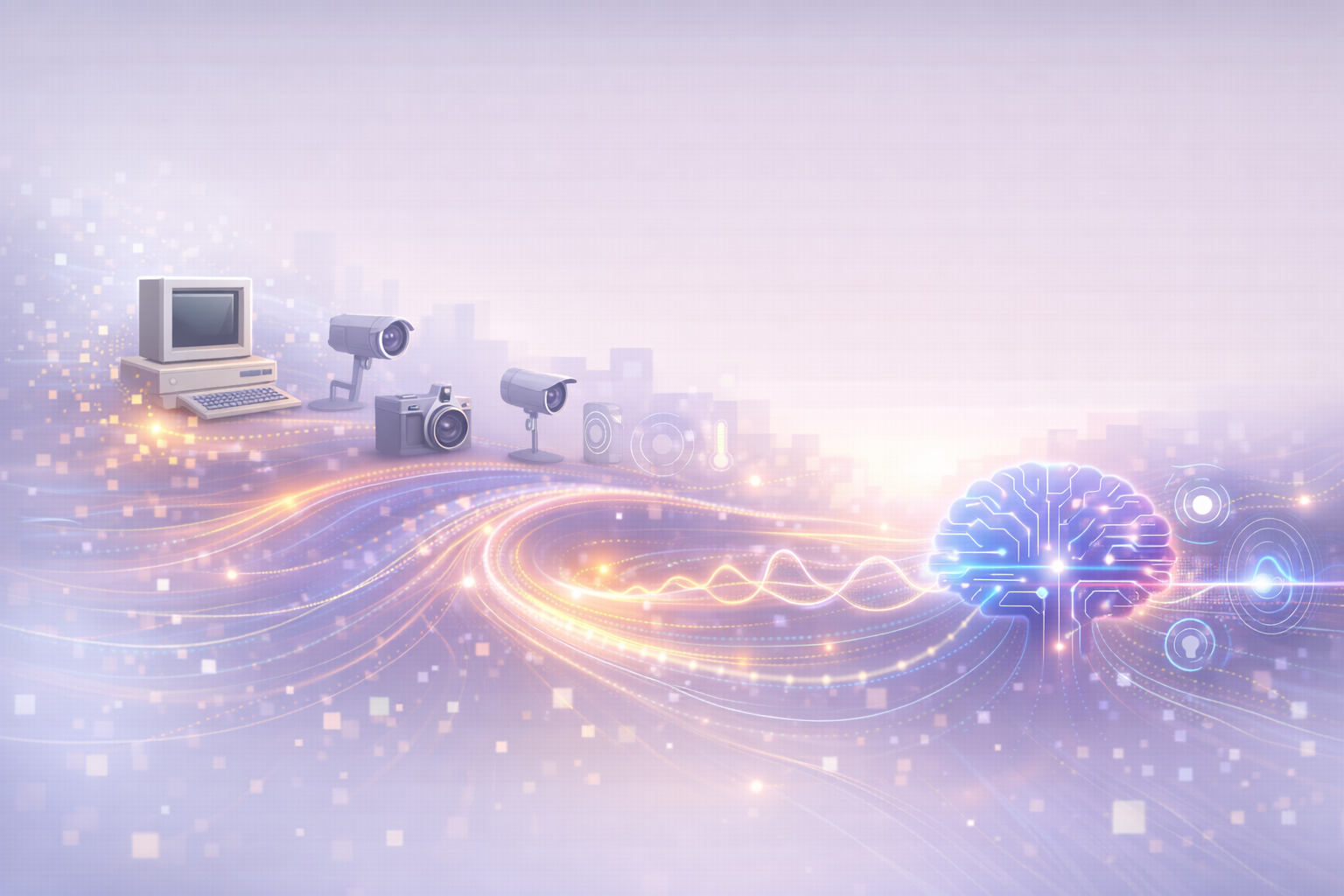
Early attempts at machine perception relied on handcrafted rules and simple signal processing techniques. These approaches worked in controlled environments but failed in real-world conditions.
The rise of machine learning and deep learning marked a turning point. With access to large datasets and increased computing power, AI systems became capable of learning complex patterns from sensory data.
Today, machine perception continues to improve through neural networks and multimodal learning systems.
How Machine Perception Works
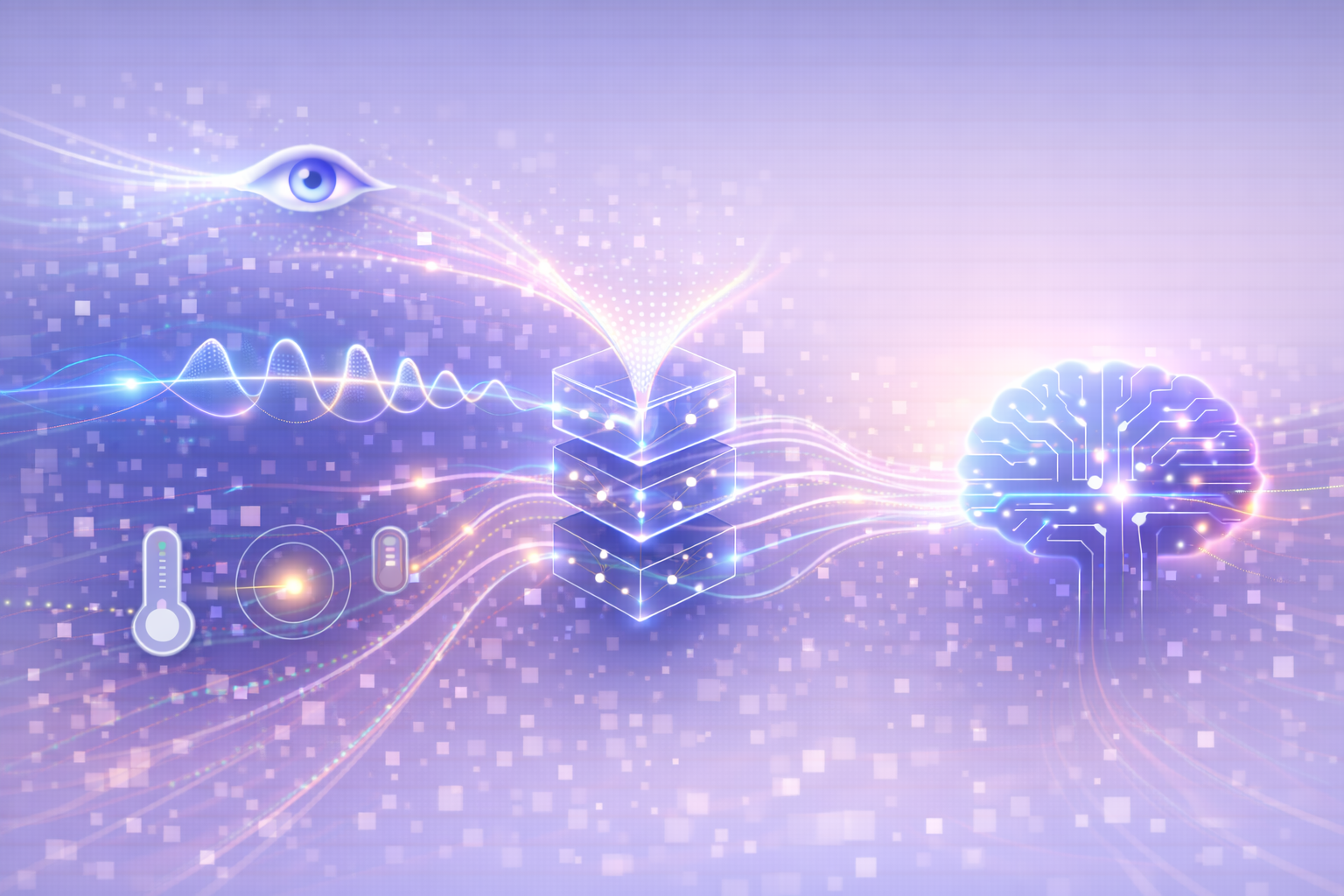
Machine perception follows a pipeline that converts raw sensory input into understanding.
Sensory Input and Data Collection
Perception begins with data captured from sources such as cameras, microphones, radar, lidar, and other sensors.
These inputs provide raw information about the environment.
Data Processing and Feature Extraction
Raw sensory data is processed to remove noise and extract relevant features. This step helps reduce complexity and improve accuracy.
Interpretation and Decision-Making
Machine learning models analyze processed data to recognize patterns, classify objects, or predict outcomes.
This interpretation allows AI systems to respond appropriately.
Types of Machine Perception
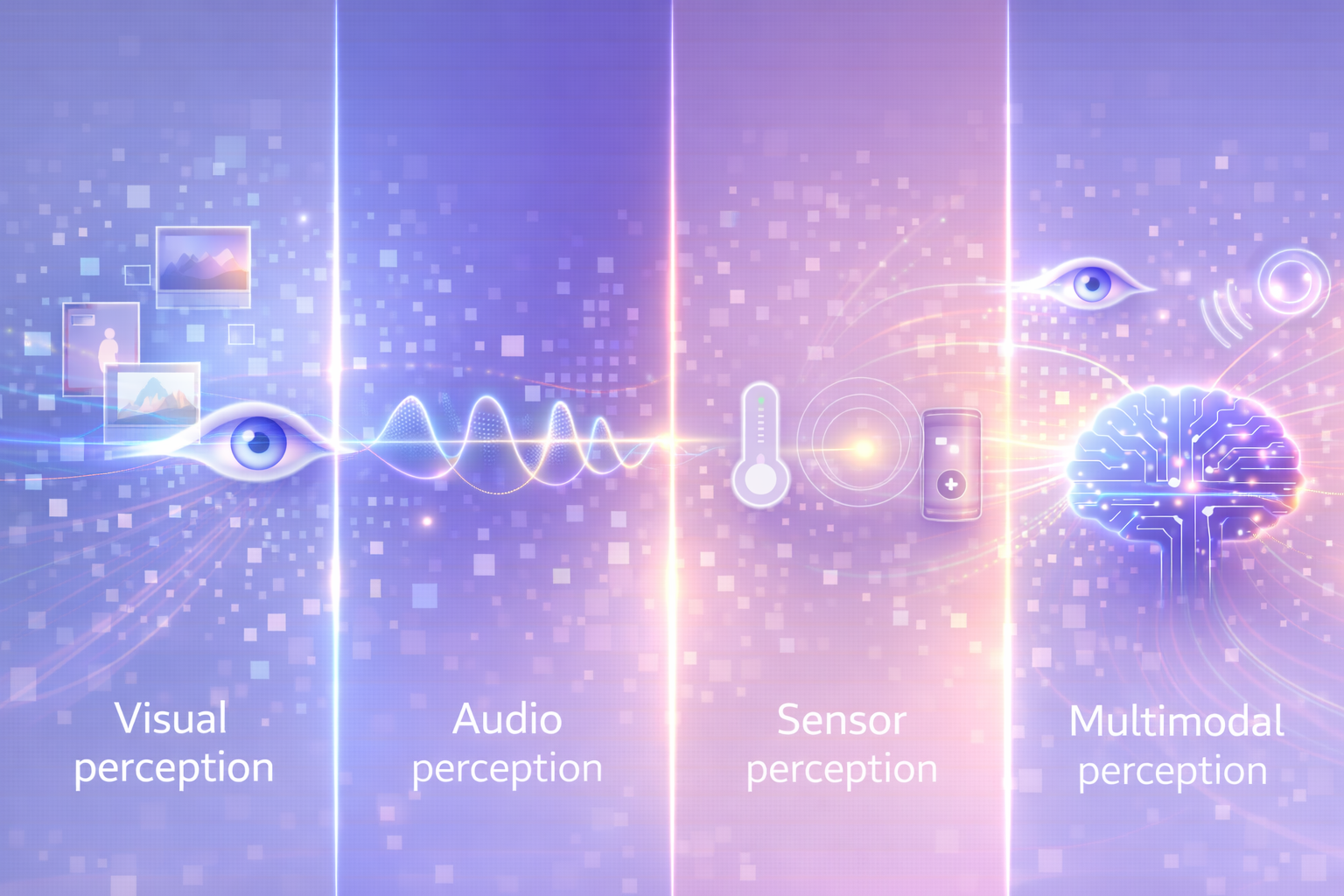
Machine perception spans multiple senses and data types.
Visual Perception
Visual perception allows machines to interpret images and video. It is used for object detection, facial recognition, and scene understanding.
Audio and Speech Perception
Audio perception enables machines to recognize sounds, interpret speech, and analyze audio signals. Virtual assistants and transcription systems rely on this capability.
Sensor and Environmental Perception
Physical sensors measure temperature, motion, pressure, and distance. These sensors help machines understand spatial and environmental conditions.
Multimodal Perception
Multimodal perception combines multiple sensory inputs to create a richer understanding of the environment. For example, autonomous vehicles use vision, radar, and lidar together.
Core Technologies Behind Machine Perception
Several technologies enable machine perception.
- Computer vision algorithms
- Signal and audio processing
- Machine learning and neural networks
- Sensor fusion techniques
Together, these technologies allow AI systems to interpret complex real-world data.
Real-World Applications
Machine perception is used across many industries:
- Autonomous vehicles navigating roads
- Healthcare systems analyzing medical images
- Smart homes responding to voice commands
- Security systems detecting unusual activity
- Industrial robots operating safely
Challenges and Ethical Issues

Despite its advantages, machine perception raises important concerns.
Data Privacy
Perception systems often collect sensitive data, including images and audio recordings. Protecting user privacy is essential, especially when considering ethical AI principles.
Bias and Accuracy
If training data is biased or incomplete, machine perception systems may produce unfair or inaccurate results.
Transparency and Accountability
Understanding how perception systems make decisions can be difficult, making accountability a challenge.
The Future of Machine Perception
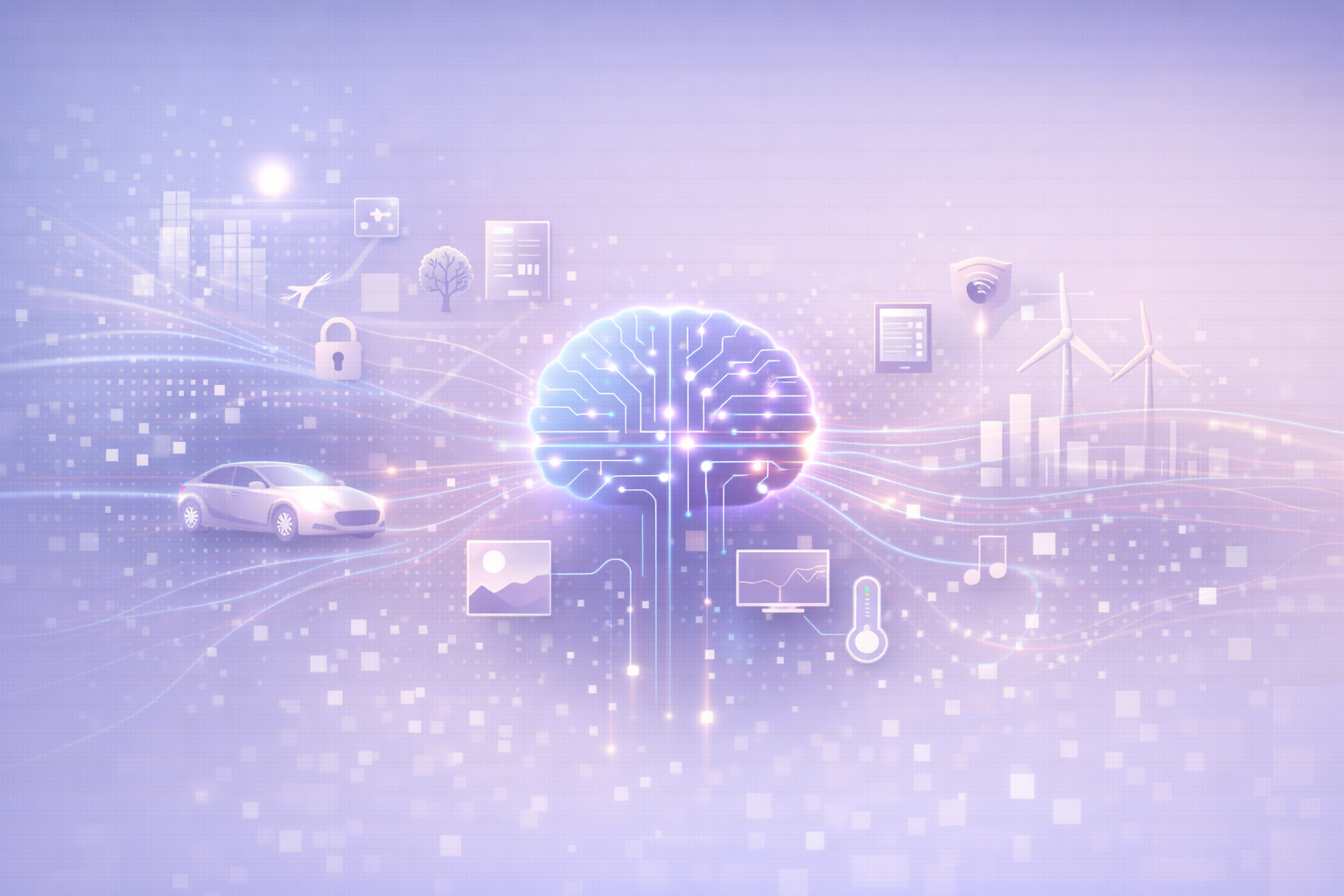
Machine perception is moving toward more accurate, efficient, and context-aware systems.
Future developments include:
- Better multimodal perception
- Improved real-time processing
- Stronger ethical standards and regulations
Machine perception will remain a foundational capability for intelligent systems.
Frequently Asked Questions
Is machine perception the same as computer vision?
No. Computer vision focuses on visual data, while machine perception includes vision, audio, and other sensory inputs.
Does machine perception rely on artificial neural networks?
Yes. Modern machine perception systems heavily rely on neural networks to interpret sensory data.
Where is machine perception used most today?
Machine perception is widely used in autonomous vehicles, healthcare, security, and smart devices.
Final Thoughts
Machine perception allows artificial intelligence systems to understand and interact with the real world.
As AI continues to advance, machine perception will play an increasingly important role in building intelligent, responsible, and human-aware technologies.